Understanding Common Dental Procedures: What to Expect During Your Visit
Understanding standard dental procedures can considerably lessen stress for patients. A great number of patients feel uncertain about what to expect data during their visits. Ranging from routine cleanings to more involved procedures, each step is critically important in maintaining oral health. Knowing the process can foster confidence and alleviate worries. Yet what truly takes place during these treatments, and how can one adequately prepare? The responses could provide the confidence needed for a less stressful appointment.
The Root Canal Procedure: What to Anticipate
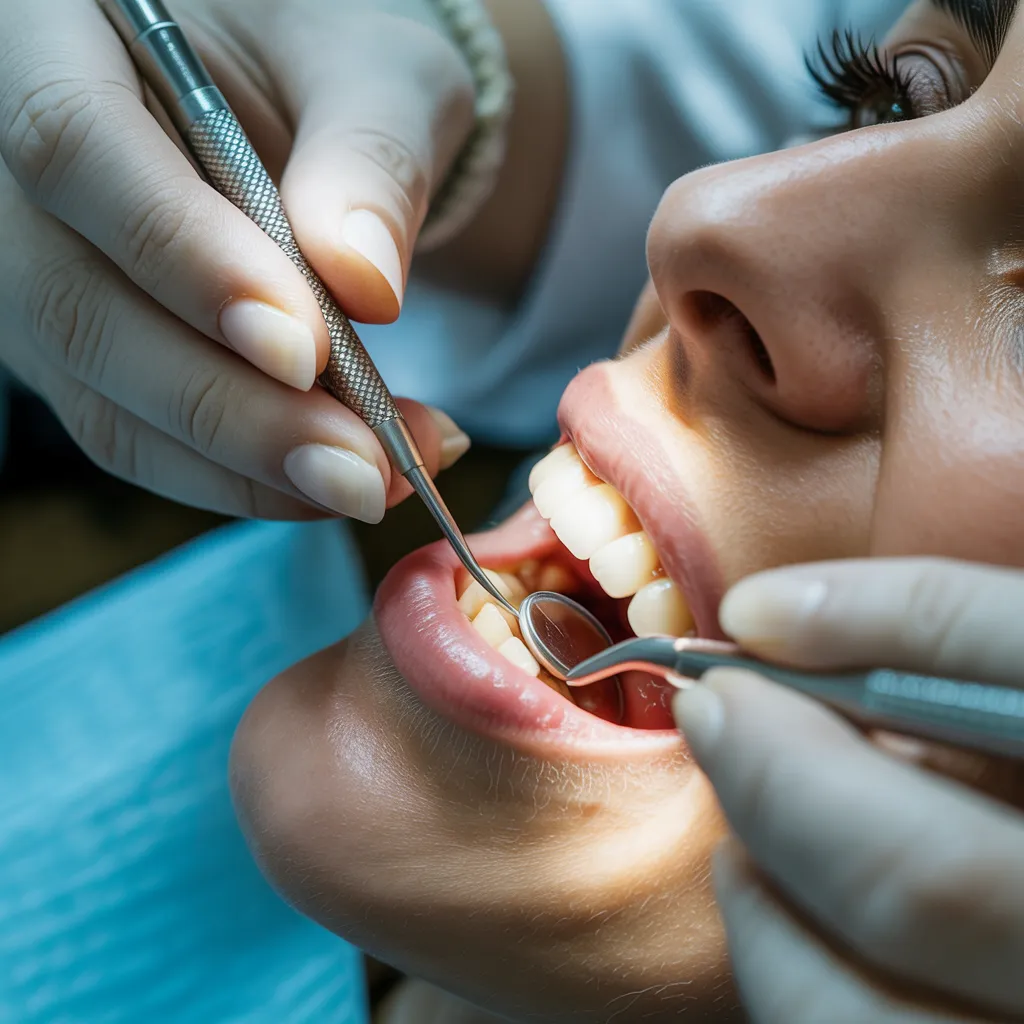
What occurs during a root canal process? The treatment commonly begins with the dentist using local anesthesia to numb the targeted area. After the patient is at ease, the dentist forms an opening in the tooth to reach the pulp chamber. The irritated or infected pulp is then methodically eliminated with the use of specialized equipment. Following the cleaning and reshaping of the root canals, the dentist sanitizes the area to remove bacteria.
Next, the canals are filled with a medically safe material called gutta-percha to close them off and guard against future infection. The opening is temporarily closed, and the patient may be advised to schedule a follow-up appointment for a crown or definitive restoration to rebuild the tooth's integrity and functionality. At every stage of the treatment, the dentist takes care that the patient is kept relaxed, addressing any concerns that arise. In the end, the aim is to alleviate pain and preserve the natural tooth.
Essential Things to Know Before a Tooth Extraction
Preparing for a tooth extraction involves several important considerations to secure a successful procedure and healing process. First, patients should schedule a consultation with their dental professional to discuss their medical history, medications, and any allergies. This information helps determine the suitable anesthesia options and possible risks.
It is often recommended for patients to refrain from eating or drinking for multiple hours before the extraction, especially if sedation is planned. In addition, securing transport back home after the extraction is essential, as anesthesia can compromise driving ability.
Patients are advised to plan for a healing period, allocating time to rest and adhere to post-surgical care guidelines. This might involve managing pain with recommended medications and observing dietary restrictions, such as sticking to soft foods.
Fillings Explained: When They Are Necessary and Why
Dental fillings play a vital role in restoring teeth that have suffered damage from cavities, decay, or trauma, as they help maintain oral health and prevent further complications. When a dentist identifies a cavity, the decayed portion of the tooth is removed, and the space is filled with a suitable material. Frequently used filling materials such as amalgam, composite resin, and gold each offer distinct advantages in terms of durability and aesthetics.
Fillings are necessary not only to alleviate pain caused by decay but also to prevent bacteria from entering the tooth, potentially leading to more critical problems including infections or tooth loss. Regular dental check-ups can help identify the need for fillings early, ensuring timely intervention. Some patients could feel mild sensitivity after the treatment, but this usually diminishes within a few days. Knowing the reasons behind and the steps involved in getting fillings can help alleviate concern and support a forward-thinking attitude toward dental wellness.
Experience a Routine Dental Cleaning: What to Expect?
Even though numerous patients may feel anxious about their next appointment, experiencing a routine dental cleaning can be a straightforward and beneficial process. When they arrive, patients generally fill out a health form and can address any questions with the dental hygienist. The procedure typically starts with a comprehensive assessment of the teeth and gums.
Next, the hygienist uses specialized tools to clear away plaque and tartar buildup from the teeth. This dental scaling is frequently accompanied by a gentle polishing with a fine-grit toothpaste, giving teeth a smooth and clean finish. Patients may additionally receive flossing and coaching on appropriate dental care techniques to preserve their oral health between visits.
To conclude, the dentist will carry out a short examination, providing guidance and suggestions for future care. Overall, routine dental cleanings not only enhance oral hygiene but also make a substantial difference to long-term dental health.
Why Dental X-Rays Are Key to Your Oral Health
Dental X-rays serve a vital function in maintaining oral health by exposing underlying concerns that are often not detectable during a routine examination. They empower dental specialists to track a patient's oral health progress over time and plan future treatments effectively. Appreciating the value of these imaging methods is crucial for optimal dental care.
Uncovering Concealed Problems
When people attend their regular dental visits, the importance of dental X-rays often becomes apparent, as these scans uncover concealed problems that might not be visible during a standard examination. Dental X-rays function as indispensable resources for identifying cavities hidden between teeth, evaluating bone health, and detecting root-level infections. They can also uncover issues like teeth that have failed to erupt properly or jawbone deformities. By delivering comprehensive insight into the mouth's hidden anatomy, X-rays enable dental professionals to develop targeted care strategies customized to each patient's unique requirements. In the absence of these essential scans, a wide range of dental issues could easily be overlooked, leading to more significant complications. Consistent X-ray screenings are fundamental for preserving optimal oral wellness and reducing the risk of developing serious conditions in the future.
Monitoring Dental Health
Regular dental appointments commonly feature X-rays as an essential component of tracking dental health. These radiographic methods help oral health specialists to discover problems that cannot be seen during a standard examination, including cavities, bone degradation, and abnormalities affecting tooth roots. Through offering a comprehensive look at oral structures, X-rays facilitate early diagnosis and intervention, which helps avoid more complex problems. They also help in evaluating the success of current dental procedures and guaranteeing that oral health developments are swiftly managed. Regular X-ray evaluations contribute to a proactive approach in maintaining dental health, guaranteeing individuals obtain personalized treatment suited to their unique requirements. In summary, X-rays serve as vital instruments for protecting lasting dental wellness.
Preparing for Future Treatments
A complete grasp of oral health is strongly supported by the information delivered by dental X-rays. These scans act as a critical instrument for dental professionals in developing future treatment strategies. By revealing issues that may not be visible during a routine examination, X-rays can identify cavities, bone loss, and other dental conditions early. This information enables practitioners to devise tailored treatment plans, ensuring timely interventions that can prevent more severe complications. Moreover, X-rays play a role in tracking the success of active treatments and modifying plans accordingly. Overall, including dental X-rays as part of routine visits not only elevates the standard of patient care but also fosters long-term oral wellness by allowing early intervention on potential problems.
Ways to Reduce Dental Anxiety Before Your Appointment
How might patients best address their dental anxiety ahead of a scheduled appointment? An excellent method is to arrange visits during off-peak hours to limit stress. Engaging in relaxation techniques, such as deep breathing or visualization, can also help calm nerves. Patients could benefit from having a supportive individual accompany them to provide encouragement and a helpful distraction.
Moreover, familiarizing oneself with the dental office environment can alleviate apprehension. It is often helpful to address questions with the dentist prior to the appointment, providing a more thorough understanding of the treatments to be performed. Playing music or audio content during the appointment can act as a useful distraction.
As a final strategy, establishing a signaling system with the dentist for time-outs can foster a feeling of empowerment. As a whole, these methods enable patients to address their apprehension, ensuring dental check-ups less daunting and more manageable.
Common Questions and Answers
How Often Should I Schedule Dental Check-Up Visits?
The majority of dental professionals suggest having dental examinations biannually. Nevertheless, individuals with specific dental issues or higher risk factors may need more frequent visits to maintain ideal oral health and prevent complications.
What Can I Do to Maintain Oral Hygiene at Home?
To keep up with oral hygiene at home, it is recommended to brush in the morning and evening with a fluoride-based toothpaste, floss on a consistent basis, use an antibacterial mouthwash, reduce the intake of sugary foods, and schedule routine dental check-ups for professional advice and treatment.
Are Dental Procedures Painful, and How Is Pain Managed?
Dental work can sometimes lead to discomfort, but pain control strategies, such as numbing agents and sedation, are frequently utilized. Dentists assess individual needs to guarantee a more comfortable experience during dental work, successfully minimizing any potential pain.
What Foods Should I Eat or Avoid Following Dental Procedures?
Post dental treatments, one should opt for easy-to-eat foods like applesauce and yogurt while steering clear of hard, crunchy, or spicy foods. Drinking adequate amounts of water is crucial, and heated liquids must be refrained from to prevent discomfort.
How Can I Find a Good Dentist in My Area?
To find a good dentist, one can request suggestions from family or friends, browse online testimonials, and consult local dental organizations. Setting up consultations can additionally assist in gauging rapport and ease with possible dental practitioners.